Column · @tysonciyb647
When to Visit an Emergency Dentist in Plano, TX Instead of the ER
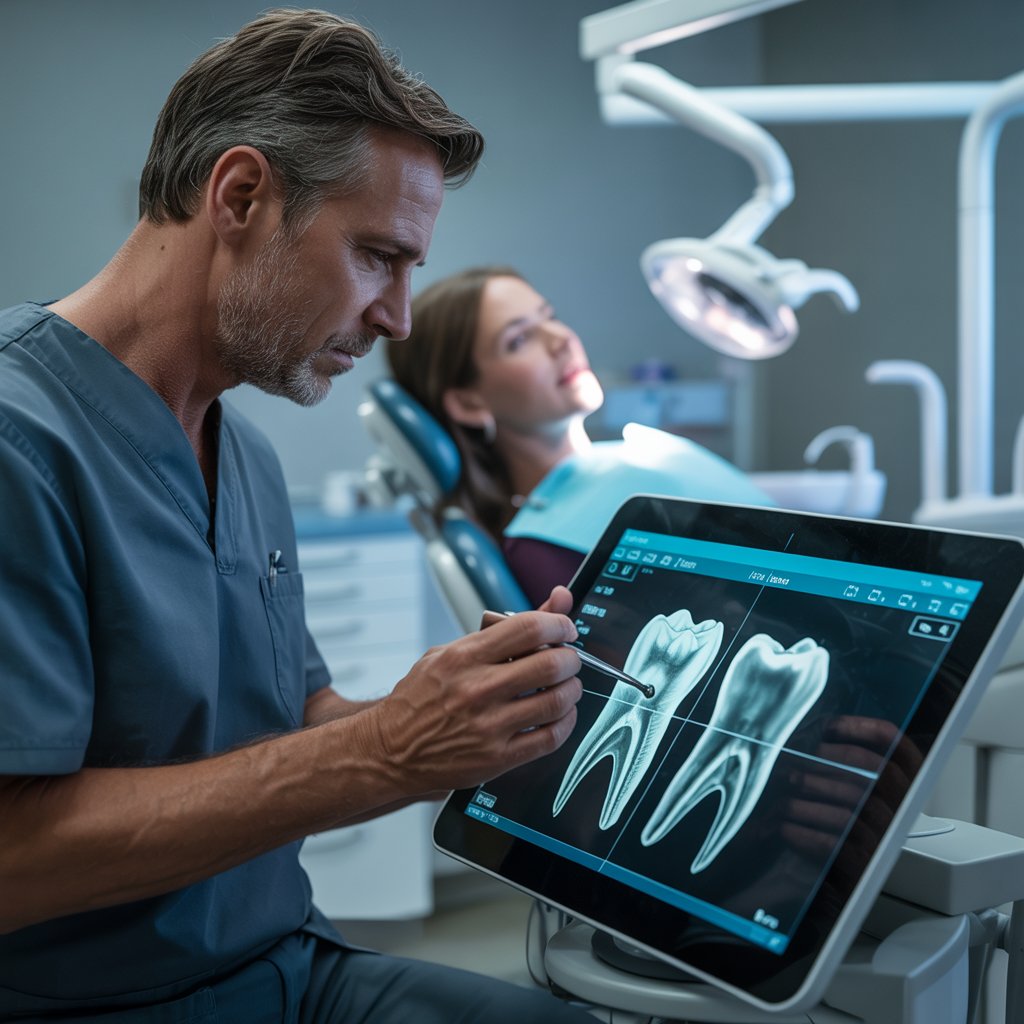
A sudden dental problem has a way of throwing the whole day off balance. One minute you are eating lunch, driving home from work, or getting a child ready for practice, and the next you are dealing with sharp pain, swelling, bleeding, or a broken tooth. In that moment, the biggest question is usually not about treatment. It is about where to go.
For many people in Plano, the emergency room feels like the safest first stop because it is always associated with urgent care. That instinct makes sense. The ER is essential for life-threatening conditions and serious injuries. But when the emergency is dental, the better choice is often an emergency dentist in Plano, TX. The reason is simple: most emergency rooms are not set up to provide definitive dental treatment. They can stabilize you, manage pain, and address dangerous complications, but they usually cannot repair a cracked tooth, perform a root canal, drain a localized dental abscess through the tooth, or re-cement a crown.
Knowing the difference matters. It can save hours of waiting, reduce out-of-pocket costs, and get you to the kind of provider who can actually solve the problem instead of just temporarily easing it.
The key distinction most patients do not realize
Hospitals are built to manage threats to your overall health and survival. Dentists are trained and equipped to diagnose and treat diseases and injuries of the teeth, gums, jaw, and supporting oral structures. Those worlds overlap, but they are not the same.
If you walk into an ER with a severe toothache, the physician may examine you, look for signs of spreading infection, prescribe pain medication or antibiotics if appropriate, and tell you to see a dentist as soon as possible. That can be helpful if your symptoms are severe or you have signs of a dangerous infection. Still, it often leaves the source of the problem untouched. A cavity that has reached the nerve does not stop hurting because it was evaluated in a hospital. A cracked molar does not repair itself because it was triaged. The infected pulp inside a tooth still needs dental treatment.
An emergency dentist in Plano, TX can usually do the next step right away. Depending on the cause, that may mean taking dental X-rays, relieving pressure, performing an extraction, initiating root canal treatment, placing a temporary restoration, reattaching a knocked-out tooth, or stabilizing an oral injury. That is the practical difference. One setting manages danger. The other treats the dental problem itself.
Situations that belong with an emergency dentist
A lot of urgent dental issues feel dramatic, and many of them are genuinely painful, but they are still best handled by a dentist rather than a hospital. If you can breathe normally, swallow normally, stay alert, and control any bleeding, a dental office is often the most efficient place to go.
Here are the most common examples:
- A severe toothache that does not improve, especially if it keeps you awake or worsens with pressure or temperature
- A chipped, cracked, or broken tooth, particularly if the fracture is painful or exposes the inner part of the tooth
- A knocked-out permanent tooth, where time is critical and reimplantation may be possible
- A lost filling, crown, bridge, or veneer causing pain, sensitivity, or sharp edges
- Localized gum swelling or a pimple-like bump near a tooth, which may signal a dental abscess
Those issues are squarely in a dentist’s lane. In my experience, many patients wait too long with them because they hope the pain will settle down on its own. Sometimes it does for a day or two, especially if the nerve inside the tooth starts dying. That is not improvement. It is often a warning sign that the infection or damage is advancing.
A badly cracked back tooth is a good example. People often think, “It only hurts when I chew on it, so maybe it can wait.” But chewing pressure can force the crack deeper, making a simple restoration impossible and increasing the chance that the tooth will split beyond repair. The earlier a dentist sees it, the more treatment options you usually have.
When the ER is the right call
There are times when going straight to the emergency room is absolutely the correct decision. The challenge is recognizing when a dental problem has crossed into a medical emergency.
The ER should be your destination if the dental issue is causing, or is part of, a more dangerous systemic problem. A spreading infection in the mouth can become serious quickly because swelling in the floor of the mouth, tongue, or throat can threaten the airway. Facial trauma can also involve fractures, concussion, or uncontrolled bleeding that go beyond routine dental care.
These are the red flags that should push you toward the ER immediately:
- Trouble breathing, trouble swallowing, or swelling that seems to spread into the face, jaw, or neck
- Uncontrolled bleeding that does not slow after firm pressure
- High fever, confusion, weakness, or signs that an oral infection is affecting the whole body
- Significant facial trauma, especially after a car crash, sports injury, fall, or assault
- Severe jaw pain with inability to open or close normally after trauma, raising concern for fracture or dislocation
This is where judgment matters. A tooth abscess by itself often belongs with a dentist. A tooth abscess plus swelling under the jaw, difficulty swallowing, and fever belongs in the hospital. A broken tooth from biting down on a popcorn kernel is a dental emergency. A broken tooth after your face hits the steering wheel may involve much more than a tooth.
If you are unsure, it is reasonable to call a dental office and describe the symptoms. An experienced team can often tell you whether you need a same-day dental visit or whether the pattern sounds more appropriate for emergency medical care. That phone call can save time, especially after hours.
Why timing changes the outcome
Dental emergencies are not all equal. Some can wait until the next morning with careful home management. Others become harder, more expensive, and more painful with every passing hour.
Take a knocked-out permanent tooth. In the best-case scenario, the tooth is handled carefully by the crown, not the root, gently rinsed if dirty, and either placed back in the socket or stored in milk while the patient heads directly to a dentist. That window is short. Reimplantation success tends to drop as time out of the mouth increases. A dentist can act quickly because the visit is centered on the tooth itself.
Or consider a crown that comes off. If there is no pain, some people assume it is minor. But the exposed tooth underneath may be fragile, decayed, or previously root canal treated. A delay of several days can lead to shifting, sensitivity, or fracture. In some cases, what could have been a simple recementation becomes a need for a new crown or extraction.
Then there is swelling. A localized gum boil near one tooth may look small, but infection does not always stay put. I have seen people underestimate this because they are still able to go to work and get through the day. By evening, the swelling is more obvious, the pain is stronger, and the infection is harder to manage. That is one reason emergency dentists leave space in the schedule for same-day care. They know dental conditions can move fast.
A practical way to decide in the moment
Panic tends to blur judgment. It helps to ask a few specific questions instead of trying to label the situation with a vague word like urgent.
Start with breathing and swallowing. If either is affected, stop debating and seek emergency medical care. Next consider bleeding. If the mouth is bleeding heavily and you cannot control it with pressure, that is not a wait-and-see problem. Then think about trauma. Was this simply a tooth fracture while eating, or was there a Emergency dentist Plano, TX larger injury to the face or head?
If the answer to those questions is no, you are likely dealing with a condition best managed by an emergency dentist in Plano, TX. At that point, the next issue is speed. Call right away, explain the symptoms clearly, and mention if there is swelling, trauma, fever, a knocked-out tooth, or pain that is not controlled with over-the-counter medication.
Patients often worry they are overreacting. Most are not. Dentists would much rather evaluate a problem early than see it after a weekend of avoidable damage.
What an emergency dentist can often do that the ER cannot
This is where expectations matter. People sometimes choose the ER because they assume emergency means faster relief. With many dental conditions, the opposite is true. You may spend hours in a waiting room, be assessed by a capable medical team, and still leave needing a separate dental appointment for actual treatment.
A dental office can often provide the tools the problem really requires. That may include detailed dental radiographs, pulp testing, bite evaluation, local anesthesia directed to the affected tooth, access through the tooth to relieve infection-related pressure, splinting for dental trauma, smoothing or restoring fractured edges, and fitting temporary materials to protect exposed structures.
There is also a difference in perspective. Physicians in the ER are appropriately focused on whether you are medically stable. Dentists are focused on why the tooth hurts, what is salvageable, how to stop the pain at its source, and what sequence of treatment makes the most sense. That distinction is not about one being better than the other. It is about the right setting for the problem.
I have talked with many patients who first went to the hospital for a toothache Emergency dentist Plano, TX and left frustrated. They were grateful to know they were not in immediate medical danger, but disappointed that they still had to find a dentist the next day. That extra step adds cost and prolongs discomfort. When the symptoms point to a dental issue and not a medical crisis, going directly to the dental office is usually the more effective route.
Common scenarios in Plano households
Plano families see the full range of dental emergencies, and many happen during completely ordinary routines. A child catches an elbow during basketball and chips a front tooth. A teenager with braces has a loose bracket cutting into the cheek. An adult wakes up with throbbing molar pain after ignoring cold sensitivity for months. A grandparent bites into crusty bread and dislodges an old bridge. None of those situations necessarily belongs in the ER, but each one can feel urgent and distressing.
Weekend pain is especially common. Dental infections and fractures seem to announce themselves at the worst times, late Friday, during a holiday, or the night before travel. That is where having an emergency dentist in Plano, TX matters. Many practices reserve same-day appointments specifically because tooth pain does not care about business hours.
Children add another layer. Parents are understandably alarmed by any mouth injury, especially when there is blood involved. The mouth tends to bleed dramatically even from relatively small cuts, so appearance alone can be misleading. If the bleeding is controlled, the child is acting normally, and the injury seems limited to the teeth or gums, a dentist is often the right first call. If the child had a significant fall, may have a head injury, cannot stop bleeding, or seems unusually sleepy or disoriented, that changes the picture and the ER becomes more appropriate.
The money side of the decision
No one likes making healthcare decisions based on cost, but it is part of real life. An ER visit is usually far more expensive than an emergency dental exam, and that cost difference can be substantial even before treatment begins. On top of that, medical insurance and dental insurance work differently, and coverage for hospital management of dental pain can be limited or unpredictable depending on the plan.
There is also the issue of value. If you spend several hours and several hundred, or several thousand, dollars in a setting that cannot fix the tooth, you may still face a separate dental bill the next day. That is not a criticism of the ER. It is simply the reality of how these systems are designed.
A same-day dental visit often delivers more direct value for common dental emergencies because it pairs diagnosis and treatment in one place. Even when a permanent fix requires a follow-up appointment, the first visit can usually stabilize the tooth, reduce pain, and prevent the problem from worsening.
What to do while you are on the way
Short-term self-care matters, but it should support professional treatment, not replace it. If you are heading to a dentist, there are a few sensible steps that can protect the area and reduce discomfort.
For a knocked-out permanent tooth, hold it by the crown only. If it is dirty, rinse gently with clean water for a few seconds and try to keep it moist, ideally in milk, while you travel. Do not scrub the root. For swelling on the outside of the face, a cold compress can help. For bleeding after a dental injury or extraction site problem, firm pressure with clean gauze is usually more effective than repeatedly checking the area every minute. For pain, many adults can use over-the-counter medication if they normally tolerate it, but follow the label and personal medical advice.
Avoid putting aspirin directly on the gums. People still try this, and it can burn the tissue. Be careful with social media home remedies in general. Clove oil, saltwater rinses, and temporary dental cement from a pharmacy may buy a little time in selected cases, but they do not substitute for an exam when the pain is severe, the tooth is fractured, or infection is suspected.
The gray areas that confuse people
Some situations sit in the middle, which is why people hesitate. A low-grade fever with a toothache, for example, is not as alarming as trouble swallowing, but it is still a sign the body is reacting to something. A facial swelling that is noticeable but not dramatic can be difficult to interpret. So can pain after a recent extraction, implant, or root canal.
This is where context helps. If symptoms are intensifying quickly, if swelling is visibly progressing, if pain is not touched by standard medication, or if you are medically vulnerable because of immune suppression, diabetes, recent chemotherapy, or other major health issues, the threshold for escalation should be lower. A dentist may still be the right first call, but do not minimize what is happening. Describe the full picture.
Pregnancy can also change decision-making. A dental infection during pregnancy deserves prompt attention. Most dentists are comfortable treating urgent infections and pain during pregnancy with appropriate precautions, and delaying necessary care is often riskier than the treatment itself. If there are broader medical concerns, coordination with an obstetric provider may be appropriate.
How to prepare before an emergency happens
The easiest dental emergency to manage is the one you planned for before it occurred. That does not mean preventing every accident. It means reducing confusion when something goes wrong.
Know which local dental offices in Plano offer same-day emergency care. Save the number in your phone. If you have children in sports, keep a small dental injury kit at home with gauze, a clean container, and the office contact information. If you wear a night guard or have a history of cracked teeth, do not ignore small warning signs like brief biting pain or temperature sensitivity. Those are often the quiet lead-up to a noisier emergency later.
Routine care matters here too. Many true dental emergencies begin as ordinary, treatable problems, a small cavity, an aging filling, a hairline crack, gum disease, a neglected crown margin. Regular exams catch those issues before they become a Saturday night crisis.
The bottom line for Plano patients
When a dental problem appears suddenly, the smartest first decision is not based on which building sounds more urgent. It is based on what kind of problem you actually have. If the issue is centered on a tooth, filling, crown, gum infection, or localized oral injury, and you are breathing and swallowing normally with bleeding under control, an emergency dentist in Plano, TX is usually the right place to start. You are far more likely to get targeted treatment, quicker relief, and a real plan to save the tooth or stop the pain.
If the problem involves uncontrolled bleeding, major facial trauma, rapidly spreading swelling, fever with systemic illness, or any threat to the airway, skip the debate and go to the ER.
That distinction sounds simple on paper, but it feels less simple at 9:30 at night when your face hurts and your plans are falling apart. In practice, though, it comes down to one question: do you need medical stabilization, or do you need definitive dental treatment? Knowing that answer can spare you a long night, a bigger bill, and a lot of unnecessary suffering.
Vitality Dental
1220 Coit Rd # 106, Plano, TX 75075, United States
+1 972-645-4100
FAQ About Emergency dentist Plano, TX
Will the ER do anything for dental pain?
An emergency department can assess urgent symptoms and provide medical stabilization. Definitive treatment of the tooth usually requires a dentist. Seek emergency medical care for breathing or swallowing difficulty, uncontrolled bleeding, or serious facial injury.
What to do if I have a dental emergency in the middle of the night?
Contact a dentist or after-hours dental service promptly for guidance. If a permanent tooth is knocked out, keep it moist in milk while seeking immediate care. If symptoms suggest a medical emergency, go to an emergency department.
What qualifies as a dental emergency?
A knocked-out permanent tooth, severe or persistent tooth pain, a significant dental injury, or swelling may require urgent dental assessment. Call a dentist to describe the symptoms and determine timing. Uncontrolled bleeding or difficulty breathing or swallowing requires emergency medical care.